Skip to content
When planning a trip to Georgia (the country in the Caucasus), the good news is: there’s no single “best” time — each of the four seasons has its own unique value. The right time depends on your travel priorities.
Seasons in Georgia
Georgia experiences four clear seasons: spring, summer, autumn, and winter.
Spring (March–May)
Pros:
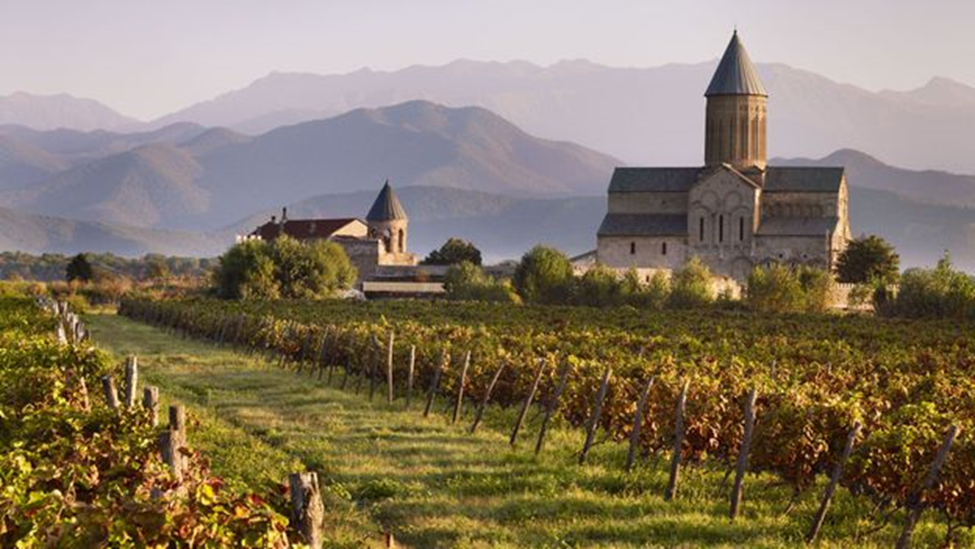
- Mild, fresh weather and blooming nature, especially in vineyards and countryside.
- Fewer crowds than peak summer, making for more relaxed exploration.
Cons: - Some higher-mountain roads or remote regions may still be tricky (snow melt).
- Beaches and full resort activity may not yet be in full swing.
Summer (June–August)
Pros:
- Warmest weather, ideal for mountain hikes, outdoor adventure and enjoying destinations like highlands.
- Long daylight hours.
Cons: - Accommodation and transport may be more in demand.
Autumn (September–November)
Pros:
- Beautiful foliage in vineyards and countryside; harvest season in wine regions.
- Temperatures comfortable; fewer crowds than high-summer.
Cons: - As the season progresses, weather becomes cooler, and some mountain passes may close or be less accessible.
- Some beach resorts may wind down.
Winter (December–February)
Pros:
- Excellent for winter sports (skiing, snow activities) in the mountains.
- City stays (e.g., in Tbilisi) can be cozier, with fewer tourists and good deals.
Cons: - Lower temperatures, possible snow and ice in highlands or mountain roads.
- Some remote regions may be less accessible.
- The travel day-to-day may require more flexibility for weather.
Summary
If your travel preference is mild weather + lower crowds, aim for spring or early autumn. If you are keen on mountain adventures or skiing, winter or summer highlands work. If you prefer beach and resort time, summer is best. Ultimately: Georgia has something to offer year-round — choose based on what you want to do.