Skip to content

If you are wondering whether a Tbilisi sulfur bath is worth doing on your first trip, the short answer is yes. Head to Abanotubani, Tbilisi’s old bathhouse district by the Mtkvari River, pick a private room if it is your first time, and budget around one hour for the full experience including the kisi scrub. It is far less intimidating than it sounds, and once you understand what actually happens inside, most of the hesitation disappears.
We get this question from almost every guest planning a Tbilisi trip with us. Is it weird? Do I have to be naked? Is it clean? These are fair questions, and nobody wants to feel clueless at a centuries old bathhouse. Here is what we usually explain to first-timers before they go.
Quick answer, if you are short on time:
- Location: Abanotubani district, Old Town Tbilisi, at the foot of Narikala Fortress.
- Best choice for a first visit: a private room, not a public bath.
- Water temperature: naturally 38 to 40 degrees Celsius (100 to 104 Fahrenheit).
- Typical cost: 5 to 10 GEL for public entry, roughly 50 to 290 GEL per hour for a private room.
- Book ahead, especially for Chreli Abano and weekends.
- Bring cash for the kisi scrub, since it is paid directly to the attendant.

What Is Abanotubani and Why It Matters
Abanotubani means “bath district” in Georgian, sitting at the southern edge of Old Town along Abano Street. It is the reason Tbilisi exists at all, not just a spa you can skip.
Natural sulfur springs run beneath this part of the city, and people have bathed here for over a thousand years. By the 13th century the district had dozens of bathhouses. Today fewer than a dozen classic ones remain, though the tradition is still alive.
The Georgian National Tourism Administration officially lists Abanotubani within Georgia’s balneological resort network, alongside places like Tskaltubo and Borjomi, which tells you this is a recognised part of the country’s wellness tourism identity, not a tourist gimmick.
The legend behind it all: in the 5th century, King Vakhtang Gorgasali was hunting when his falcon chased a pheasant into a hot spring. The bird came out fully cooked. Impressed, the king built his capital on the spot. Tbilisi comes from “tbili,” meaning warm place.
Why the domes look the way they do: bathhouses here are built underground, with brick domes poking above ground like molehills. They let in natural light and give sulfuric steam somewhere to escape. You can walk over some of them.
Getting there: most Old Town hotels are a 10 to 15 minute walk, or a five minute Bolt ride. The district sits beside the Botanical Garden entrance. If you are still mapping out how many days to spend in Tbilisi, our Georgia itinerary guide covers how a bath afternoon fits into a wider trip.
Before You Go: A 2026/27 Entry Requirement Most Guides Miss
This has nothing to do with the baths themselves, but it affects every foreign visitor entering Georgia, and almost no bathhouse guide mentions it.
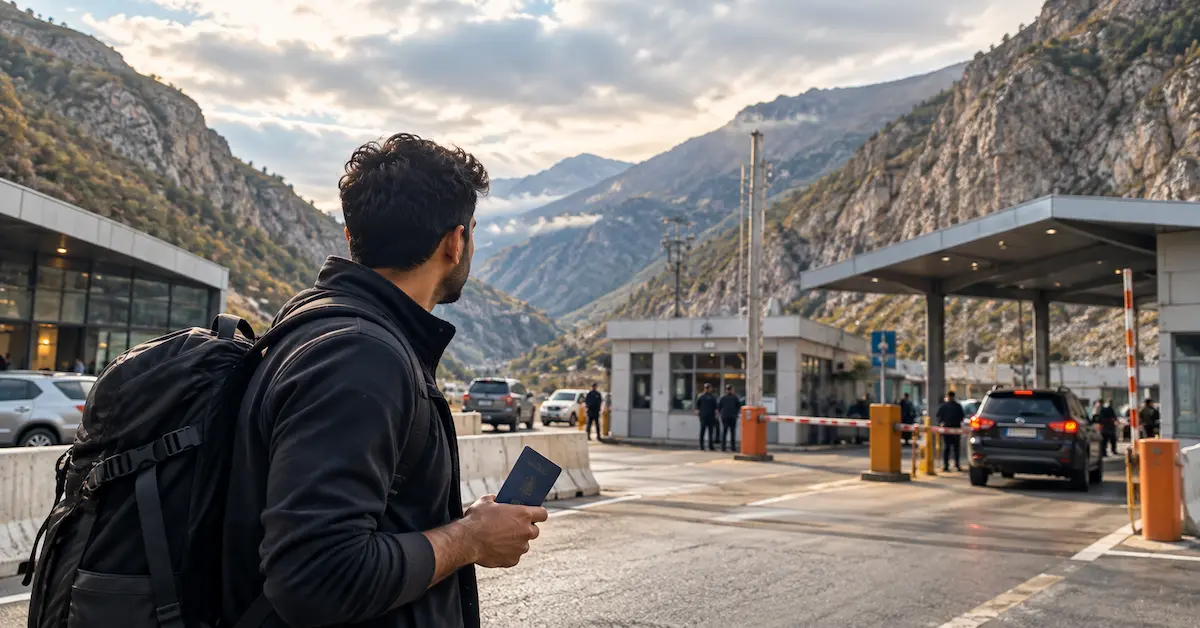
Since January 1, 2026, all foreign tourists entering Georgia must hold valid health and accident insurance covering their full stay, with a minimum insurance coverage of 30,000 GEL. It applies regardless of nationality, and border officers can ask for proof on arrival. Sort it alongside your flights and hotel rather than finding out at the border.

What Actually Happens During a Sulfur Bath Visit
Here is the part most guides skip over. You book a slot, you show up, and then what?
Step 1, arriving: staff show you to either a shared public hall or your own private room, depending on what you booked. We break down that choice in the next section.
Step 2, getting into the water: it sits naturally between 38 and 40 degrees Celsius, hot but not scalding. Most people soak for 10 to 15 minutes, step out to cool down, then go back in. Do not rush straight into the hottest pool if your room has more than one.
Step 3, the kisi scrub: a Mekise, the bath attendant, comes in once you have soaked a while. You lie face down on a heated stone slab while they pour warm water over you, then scrub every inch with a coarse mitt called a kisi, sometimes spelled kisa. It feels intense the first time, almost too rough, and that is the point. Dead skin comes off in visible rolls. Afterward they lather you with soapy foam, wash you down, and rinse. The whole process takes 10 to 15 minutes, and women are usually asked to remove their bikini top for it.
Step 4, wrapping up: most people soak briefly again, then move to a cooler shower or plunge area. Many private rooms serve tea at this point.
How long it takes: plan for one hour to soak, get the kisi, and relax without rushing, or two hours with a group.
Public Bath vs Private Room
If you remember one recommendation from this guide, make it this one: for a first visit, choose a private room.
Public baths are the authentic, old-school version. You share a large hot pool with whoever shows up that day, usually local men in the men’s hall and local women in the women’s hall. Nudity is the norm here, though swimwear is accepted. It is cheap, social, and unpretentious, often just 5 to 10 GEL entry.
A private room is yours alone, or shared only with your group. Once the door is locked, nobody else sees you unless you have booked a scrub. Rooms usually include a hot pool, a cooler plunge area, and a stone slab for the kisi. Nicer rooms add saunas and tilework. Prices run roughly 50 to 290 GEL per hour, which becomes reasonable once split between two or three people.
We almost always steer first-time guests toward a private room. It removes the pressure of navigating communal bath etiquette on day one in a new country. You get the same water, the same kisi scrub, and the same history, just without an audience. A public bath on a return trip is a genuinely fun way to experience it the way locals do.

How Much Does It Cost
| Item | Price (GEL) | Approx USD |
| Public bath entry | 5 to 10 | 2 to 4 |
| Towel rental | 2 to 5 | 1 to 2 |
| Kisi scrub (public) | 15 to 25 | 6 to 9 |
| Private room, 1 to 2 people, per hour | 50 to 130 | 18 to 47 |
| Private room, larger or premium | 150 to 290 | 55 to 105 |
| Massage add-on | 30 to 65 | 11 to 24 |
| Tea and snacks | 3 to 10 | 1 to 4 |
Always carry cash for the Mekise. Room bookings are usually payable by card, but the scrub itself is paid directly to the attendant, and this is not really negotiable. Tipping is customary, rounding up or adding 5 to 10 GEL is appreciated.
Which Bathhouse Should You Pick
Chreli Abano (Orbeliani Baths): the one you have already seen in photos, with a blue and turquoise tiled facade sometimes mistaken for a mosque. Renovated in 2017, so interiors feel modern. Most popular with tourists, so book ahead.
Gulo’s Thermal Spa: dates to the 19th century, originally called “the Garrison.” A beloved attendant named Gulo worked the rooms for decades and the nickname stuck. Old mosaics, domed ceilings, and a lived-in feel.
Bathhouse No. 5: the classic public bath pick, sitting beneath the street-level domes most people photograph. Basic, dim, unmistakably local, with some renovated private rooms too.
Royal Bath House and King Erekle’s Bath: both lean upscale, with marble interiors and modern comfort over historic authenticity.
| If you want | Choose |
| The most photogenic bathhouse | Chreli Abano |
| An authentic, local-feel private room | Gulo’s Thermal Spa |
| A genuine public bath experience | Bathhouse No. 5 |
| A luxurious, pampering session | Royal Bath House or King Erekle’s Bath |

Is It Safe and Hygienic
The water flows continuously from geothermal springs, so pools are constantly refreshed rather than sitting stagnant. Rooms are cleaned between guests, and private room water is not shared with previous visitors the way many people initially assume. Tourist-facing bathhouses like Chreli Abano and Royal tend to have the most consistent upkeep, though older local spots are safe for a standard soak too.
Pregnant women should skip sulfur baths entirely. Anyone with heart problems or blood pressure issues should check with a doctor first. Sulfur balneotherapy has actually been studied for its effects on cardiovascular health, and the findings suggest it is generally well tolerated, though some conditions still warrant a quick check with your doctor rather than assuming it is fine. People with severe skin conditions or open wounds should also be cautious.
If you feel dizzy or overheated, step out immediately, sit somewhere cooler, and drink water. This is common if you stay in too long or skip straight into the hottest pool. Do not push through it hoping it passes.
Nudity, Modesty and Etiquette
In a private room, nudity is entirely your choice, since nobody else is there besides your group. In a public bath, nudity is the norm among locals, though swimwear is accepted and nobody comments either way. During the kisi, the Mekise typically asks women to remove their bikini top, since the scrub needs full skin contact.
A few unwritten rules locals follow:
- Shower before entering the pool
- Arrive 10 to 15 minutes early
- Leave your door unlocked if you booked a kisi, so the Mekise can enter on schedule
- Keep phones away in public baths
- Tip the Mekise directly in cash
What To Bring
Pack a swimsuit, flip-flops, a towel or a few GEL to rent one, a water bottle, small cash for the kisi and tipping, and a plastic bag for wet clothes afterward. Leave silver jewelry at the hotel, since sulfur turns silver black almost instantly.
Best Time to Visit
Mornings, roughly 7 to 9 AM, are quieter. Evenings have their own charm, especially in winter, when the domes are lit up and stepping into cold air after a hot soak feels genuinely restorative. Fall and winter are the most memorable seasons for a first visit, since the contrast with the cold outside makes it special. Our best time to visit Georgia guide covers how each season affects the rest of your trip too.
Book a few days ahead if possible, especially for Chreli Abano or a weekend slot. Walk-ins sometimes work at quieter bathhouses, but do not count on it.

Couples, Families and Solo Travelers
Private rooms work well for couples and families, since you control the whole space and split the cost. Public baths are gender-segregated and generally not practical for mixed-gender family visits, so check age policies directly with the bathhouse if you are bringing kids.
Solo travelers, including solo women, generally have a smooth experience in a private room, and public baths are considered safe given they are gender-segregated by design. If you are planning the rest of your trip solo too, our guide on whether Georgia is safe for solo female travelers covers this in more depth.
Combining It With the Rest of Your Tbilisi Day
Abanotubani sits right at the base of Narikala Fortress, next to the Botanical Garden entrance. A natural half-day flow: walk Old Town in the morning, take the cable car up to Narikala, wander down through the fortress walls, then finish with a sulfur bath before dinner. Our top places to visit in Georgia guide is a good starting point if you are still building the rest of your itinerary.
Honestly, most of the confusion around sulfur baths is not the bath itself, it is the logistics. Which bathhouse, what time slot, how to book if the reception does not answer in English. This is exactly the kind of detail we build into our FIT packages and guided Tbilisi day tours, so guests just show up and soak. If wellness is a bigger part of why you are visiting, our medical and wellness tourism services can build a longer balneotherapy stop into your trip too.
Frequently Asked Questions
Do I have to be naked in the Tbilisi sulfur baths?
Only in public baths is nudity the norm, and even then swimwear is accepted. Private rooms are entirely up to you.
How much does a Tbilisi sulfur bath cost?
Public entry runs about 5 to 10 GEL. Private rooms range from roughly 50 to 290 GEL, usually split between two or more people.
Which bathhouse is best for a first-timer?
Chreli Abano for the classic, photogenic pick, or Gulo’s Thermal Spa for local character. Both work well in a private room.
What is a kisi scrub and is it painful?
A vigorous full-body exfoliation with a coarse mitt. It feels intense rather than painful, and skin afterward is noticeably softer.
Do I need to book in advance?
Yes, particularly for popular bathhouses and weekends. A few days notice is usually enough.
Is it safe during pregnancy or with health conditions?
Pregnant women should avoid it. Anyone with heart or blood pressure conditions should check with a doctor first.
Can couples or families go together?
Yes, private rooms are built for this. Public baths are gender-segregated.
What should I bring?
Swimsuit, flip-flops, a towel, cash for the kisi and tips, and a bag for wet clothes.
Is the sulfur smell overwhelming?
Noticeable outside, but most people stop noticing it within a few minutes of soaking. It does not linger after a proper shower.
Do I need travel insurance to enter Georgia in 2026/27?
Yes. Since January 1, 2026/27, all foreign tourists must carry valid health and accident insurance for their full stay, regardless of nationality.
Final Thoughts
A Tbilisi sulfur bath sounds intimidating on paper and turns out to be one of the easiest, most rewarding parts of the trip once you actually go. Pick a private room for your first visit, bring cash for the kisi, and give yourself a full hour without rushing.
If you would rather skip messaging bathhouses back and forth yourself, this is exactly the kind of stop we build into Tbilisi itineraries for our guests. Get in touch with our team and we can slot it into your plan.