Skip to content

For most tourists, a local Magti SIM card, or an eSIM that specifically runs on the Magti network, offers the best combination of coverage and price, especially if you plan to leave Tbilisi for the mountains. That is the short answer.
At Travel Door, connectivity is one of the small details we already sort out for guests, since it genuinely affects how smoothly a trip runs once you are outside the capital. This guide comes from that experience, not a generic comparison roundup.
The Quick Answer: Which SIM or eSIM Should You Choose?

- Staying only in Tbilisi: any of the three carriers or a standard eSIM works fine.
- Day trips to Kazbegi, Kakheti or Gudauri: choose Magti or an eSIM that runs on the Magti network.
- Traveling into Svaneti or Tusheti: Magti is the only reliable option, and even that thins out on remote passes.
- Staying under a week: an eSIM is more convenient.
- Staying a month or longer: a physical local SIM is usually cheaper.
- No signal at all: Tbilisi’s free “Tbilisi Loves You” public Wi-Fi network covers parts of the city center as a backup.
Georgia’s Three Mobile Networks Explained

Georgia has three licensed mobile operators, and they are not interchangeable once you leave the capital.
Magti (Magticom), the Strongest Overall Coverage
Magti covers roughly 98 to 99 percent of Georgia’s territory, including remote and mountainous areas, and is the network most long-term residents and experienced travelers default to for this reason.
Silknet (Formerly Geocell), Strong in Cities and Along Highways
Silknet performs well in Tbilisi, Batumi and Kutaisi and along the main highways, and was also first to roll out 5G in Tbilisi, but its rural and mountain coverage is noticeably thinner than Magti’s.
Cellfie (Formerly Beeline), Cheapest but Weakest in the Mountains
Cellfie is the most affordable option and works fine for a city-only trip, but its coverage drops off quickly once you head into mountain regions, which matters more than the price difference for anyone planning day trips outside Tbilisi.
All three are licensed and regulated by the Georgian National Communications Commission, the country’s independent telecoms regulator, if you want to verify current operator information directly.
Physical SIM or eSIM: Which Is Better for a Georgia Trip?
Either works well, and the right choice depends mostly on trip length rather than coverage quality.
Why an eSIM Is More Convenient for Short Stays
An eSIM can be bought and activated before you even land, with no store visit and no physical card to lose, which suits a short trip well.
Why a Physical SIM Still Makes Sense for Longer Trips
A physical SIM purchased directly from an operator store is usually cheaper per gigabyte than an eSIM for longer stays, and it is simple to top up as needed through the operator’s app or by dialing a short USSD code.
Which eSIM Brand Actually Runs on Which Network

This is the detail most eSIM buyers miss entirely. Not every global eSIM brand connects to the same local network, and the difference matters once you leave Tbilisi.
| eSIM Brand | Underlying Georgian Network | Best For |
| Holafly | Magti | Mountain trips, Kazbegi, Svaneti |
| Airalo | Cellfie | City-only stays |
| Ubigi | Cellfie | City-only stays |
| Nomad | Silknet/Cellfie | Cities and main highways |
If your itinerary includes anything beyond Tbilisi, checking which network your specific eSIM brand actually uses is worth the extra minute before buying, since two eSIMs at a similar price can perform very differently once you are on the Georgian Military Highway.
Does Coverage Actually Hold Up in the Mountains?

Mostly yes on Magti, but it varies meaningfully by region and specific route.
Kazbegi and the Georgian Military Highway
Coverage along this route and in Stepantsminda town itself is solid on Magti, which is one of the reasons we generally recommend it for guests doing our Kazbegi day trip, where a working map and the ability to reach your driver matter.
Gudauri and the Ski Season
The same corridor covers Gudauri, and reliable signal here matters for a different reason during ski season, checking lift status, weather updates, and staying in touch with your group across a large resort area.
Svaneti and Tusheti, Where Coverage Genuinely Thins Out
These remote, high-altitude regions are where even Magti’s coverage becomes patchy, particularly on high passes and deep valleys. If you are heading this far off the main routes, it is worth downloading offline maps in advance rather than relying on a live connection.
Will My Home or EU Roaming Plan Work in Georgia?
No, in most cases. Georgia is not an EU member, so EU-wide roaming plans do not extend here, even though the country feels culturally European in many ways.
This is exactly the kind of mix-up we cover in more depth in our guide on common traveler confusions about Georgia, since assuming EU coverage applies is one of the most common and most expensive mistakes travelers make here. Standard international roaming rates from your home carrier will apply instead, which is almost always more expensive than simply buying a local SIM or eSIM on arrival.
How Much Data Do You Actually Need?
For most travelers, 1 to 2 GB per day covers maps, messaging and social media comfortably, more if you plan to stream video or back up a lot of photos over mobile data rather than hotel Wi-Fi.
A one-week trip typically needs around 5 to 10 GB total for light to moderate use, which lines up well with most tourist packages sold locally.
How Much Does a Tourist SIM Card or eSIM Cost?
Tourist SIM packages typically run from about 15 to 30 GEL for one to two weeks of data, while eSIM pricing varies more depending on the provider and data allowance.
| Option | Typical Price | Coverage Strength |
| Magti tourist SIM | 15 to 30 GEL, 7 to 15 days | Strongest, including mountains |
| Silknet tourist SIM | 15 to 30 GEL, 7 to 15 days | Strong in cities and on highways |
| Cellfie tourist SIM | Cheapest of the three | Weakest outside cities |
| Holafly eSIM | 20 to 35 USD depending on data | Strong, runs on Magti |
| Airalo or Ubigi eSIM | 5 to 20 USD depending on data | City-only, runs on Cellfie |
Where and How to Buy a SIM Card in Georgia

Official operator stores in Tbilisi, Batumi and Kutaisi are the better option over airport kiosks, which typically charge a noticeable markup for the same package.
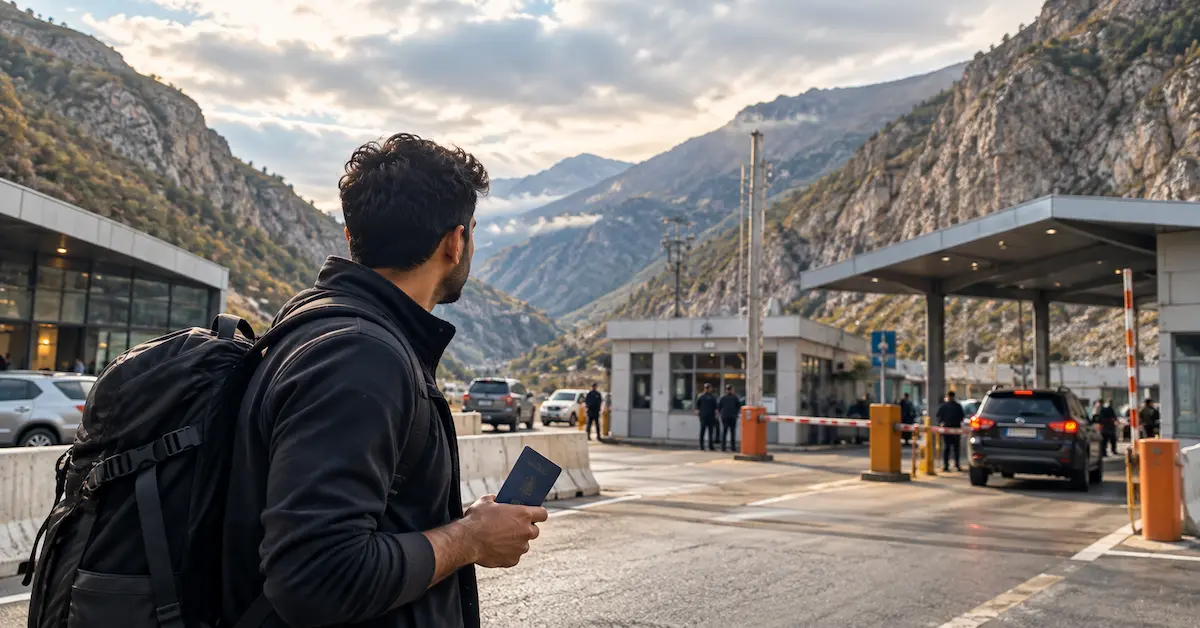
Tbilisi International Airport has a SIM kiosk near the arrivals exit, open 24 hours, which works fine if convenience matters more than saving a few lari. You will need your passport to register a SIM card, a requirement that applies to every operator, so it is worth having it on hand alongside the other entry documents covered in our entry documents checklist, and confirmed as standard practice on the official Georgia e-Visa portal. Before leaving the store, test your connection with a quick search or a message to confirm everything is actually working, since store staff can generally help on the spot if something is not configured correctly.
If you find yourself briefly without signal in central Tbilisi, the city’s free Tbilisi Loves You, public Wi-Fi network, run by City Hall, covers parts of the center as a reasonable backup, though it is not always fast or fully reliable.
A Practical Example: How Travel Door Handles Connectivity for Guests
Before a guest heads out on a Kazbegi day or a Gudauri ski trip, we make a point of confirming their connectivity is actually reliable for that specific route, not just assuming any SIM will do. This is a small thing, but it consistently prevents the one frustration that can genuinely disrupt an otherwise well-planned day, losing contact with a driver or guide at exactly the wrong moment.
If your trip extends beyond Georgia, our Caucasus route order guide is worth reading too, since connectivity is one more thing worth planning around when crossing between Georgia, Armenia and Azerbaijan, as no single SIM or eSIM covers all three. Sorting out details like this is part of the same planning we do around travel insurance and other pre-departure logistics for every trip.
Frequently Asked Questions
What is the best SIM card for tourists in Georgia?
Magti, for its strongest overall coverage, particularly if your trip includes mountain regions like Kazbegi or Gudauri.
Is eSIM or physical SIM better for Georgia?
An eSIM suits short stays for convenience, while a physical SIM is usually cheaper for longer trips.
Which eSIM providers actually work well in Georgia?
Holafly runs on Magti and performs best in mountain areas. Airalo, Ubigi and Nomad run on Cellfie or Silknet, which is fine for cities but weaker outside them.
How much data do I actually need for a week in Georgia?
Roughly 5 to 10 GB for light to moderate use, more if you stream video regularly.
How much does a tourist SIM card cost in Georgia?
Typically 15 to 30 GEL for a one to two week data package, depending on the operator and plan.
Do I need my passport to buy a SIM card in Georgia?
Yes, passport registration is required by all three operators.
Will my EU roaming plan work in Georgia?
No, Georgia is not an EU member, so EU-wide roaming plans generally do not apply here.
Where can I buy a SIM card when I land in Tbilisi?
A SIM kiosk near the arrivals exit is open 24 hours, though official operator stores in the city generally offer better pricing.
Connectivity is one of the small details we already handle as part of planning a trip, so if you would rather not think about SIM cards at all, get in touch with Travel Door and we can sort it out as part of your itinerary.